

Structure
B. Cranke
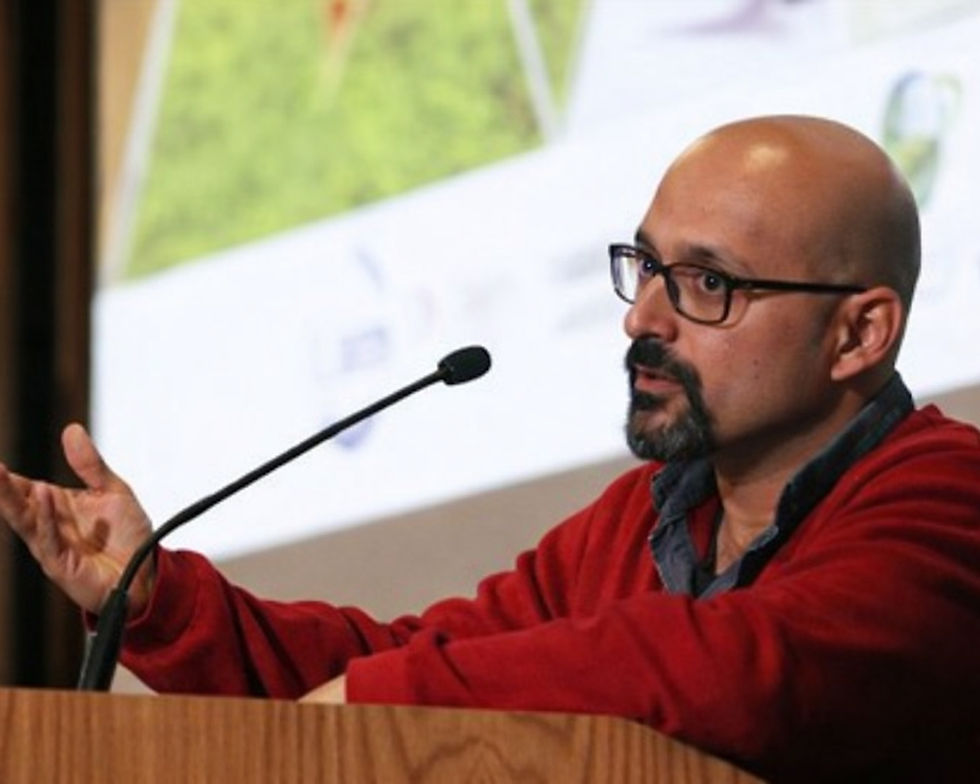
Sugoto Roy
KORA
Talgut-Zentrum 5
CH 3063 Ittigen
Co-chair IUCN SSC Cat Specialist Group
I have worked in government departments, NGOs, IGOs and universities for significant periods of time, with more than 25 years of experience in wildlife management, conservation and research. I have managed national, regional and global project portfolios, specialising in the ecology and management of carnivores, invasive species and human–wildlife conflict, across the UK, the UK Overseas Territories, South and South-East Asia, Japan, the Indian Ocean and Southern Africa.
Over the past decade, my work has focused on large carnivore conservation. This has included establishing and leading a tiger conservation programme at the IUCN Secretariat, and coordinating a series of projects in southern Africa under the Africa Range-Wide Cheetah Conservation Initiative.
Following several years as Programme Officer for the Cat Specialist Group, where I coordinated a wide range of projects and programmes, I now serve as Co-Chair and look forward to building on this experience to further strengthen and expand the Group’s global impact.

Tadeu de Oliveira
Tadeu de Oliveira
Maranhão State University
Brazil
tadeu4@yahoo.com
Co-chair, IUCN SSC Cat Specialist Group
I am a wildlife conservationist and Professor of the Wildlife Conservation and Ecology Lab (LabCEVS) at Maranhão State University (UEMA), a researcher for Instituto Pró-Carnívoros and Pró-Vida Brasil, and a long-time member of the IUCN/SSC/Cat Specialist Group. Academically, my publications have ranked my productivity in the top 10 percentile in the world and the top 3% in Latin America, according to the 2026 AD Scientific Index.
I am the founder and chair of the Tiger Cats Conservation Initiative (TCCI), with 51 enrolled projects in seven countries throughout the Americas, focusing on conservation actions (vaccination and neutering of domestic dogs and cats for disease reduction, environmental education, rehabilitation of apprehended small felids, community involvement, and partnerships), monitoring, and research of small felids in the Americas. I am also well connected and work in partnership with several other working groups on small cats in Latin America, Africa, and Asia. Additionally, I have taken an active role in Red List Assessments at the global (IUCN, Neotropical felids), national (Brazilian carnivores), and state levels (mammals/carnivores) since 2007, and I have participated in the elaboration of the Brazilian National Conservation Action Plans for small cats, jaguars, and bush dogs.
Currently, aside from the conservation action taken with TCCI, I am leading a long-term, multidisciplinary, continent-wide conservation and research program focusing on conservation action and the ecology, biogeography, natural history, diseases, and conservation issues of 12 small felids in the tropical Americas (Wild Cats Brazil-Americas Conservation Program). Since 2004, this program has been making significant contributions to the conservation, status assessment, population monitoring, and understanding of the ecology and natural history of these species, and it covers most of the actions of the current Brazilian Small Felids Action Plan.

Samantha Nicholson
Deputy Chair
I am a conservation scientist specializing in the management and conservation of large African carnivores. I serve as Deputy Chair of the IUCN SSC Cat Specialist Group, where I contribute to global strategic efforts to conserve wild cat species. I am also a member of the African Lion Working Group and the Cheetah Advisory Group, working collaboratively with experts across Africa to address key conservation challenges.
I received my PhD focusing on the conservation status of lions in Africa, which underpins much of my current research and applied conservation work. I currently manage the IUCN SSC Cat Specialist Group’s African Lion Database (ALD), an initiative designed to consolidate and standardize critical data on lion populations across the continent. Through this work, I focus on improving data accessibility, strengthening governance frameworks, and supporting coordinated, evidence-based conservation planning among range states. The intention is to replicate the ALD structure and governance processes to create other cat data platforms.
My research focuses on the impacts on lion populations of anthropogenic pressures, including habitat fragmentation, prey depletion, human-lion conflict, and the emerging threat of targeted poaching for the trade in body parts. I have authored and co-authored multiple peer-reviewed publications on African lions and other large cats, helping to inform conservation strategies and policy.
I have also led multiple IUCN Red List assessments for lions, contributing to the evaluation of their conservation status and trends on a regular basis.

Urs Breitenmoser
IUCN SSC Cat Specialist Group,
Villettengässli 4,
CH 3074 Muri
Emeritus chair IUCN SSC Cat Specialist Group
I am a carnivore ecologist and former senior scientist at the University of Bern and the former director of the Foundation KORA – Carnivore Ecology and Wildlife Management. I have been involved in research projects on carnivore ecology for 40 years and have supervised many master and doctoral theses in the frame of the Swiss carnivore projects. My main field of interest is the reintroduction of Eurasian lynx and the re-integration of large carnivores into human dominated landscapes. I have co-chaired the IUCN SSC Cat Specialist Group since 2001 and have since been involved in many cat research and conservation programmes all over the world.
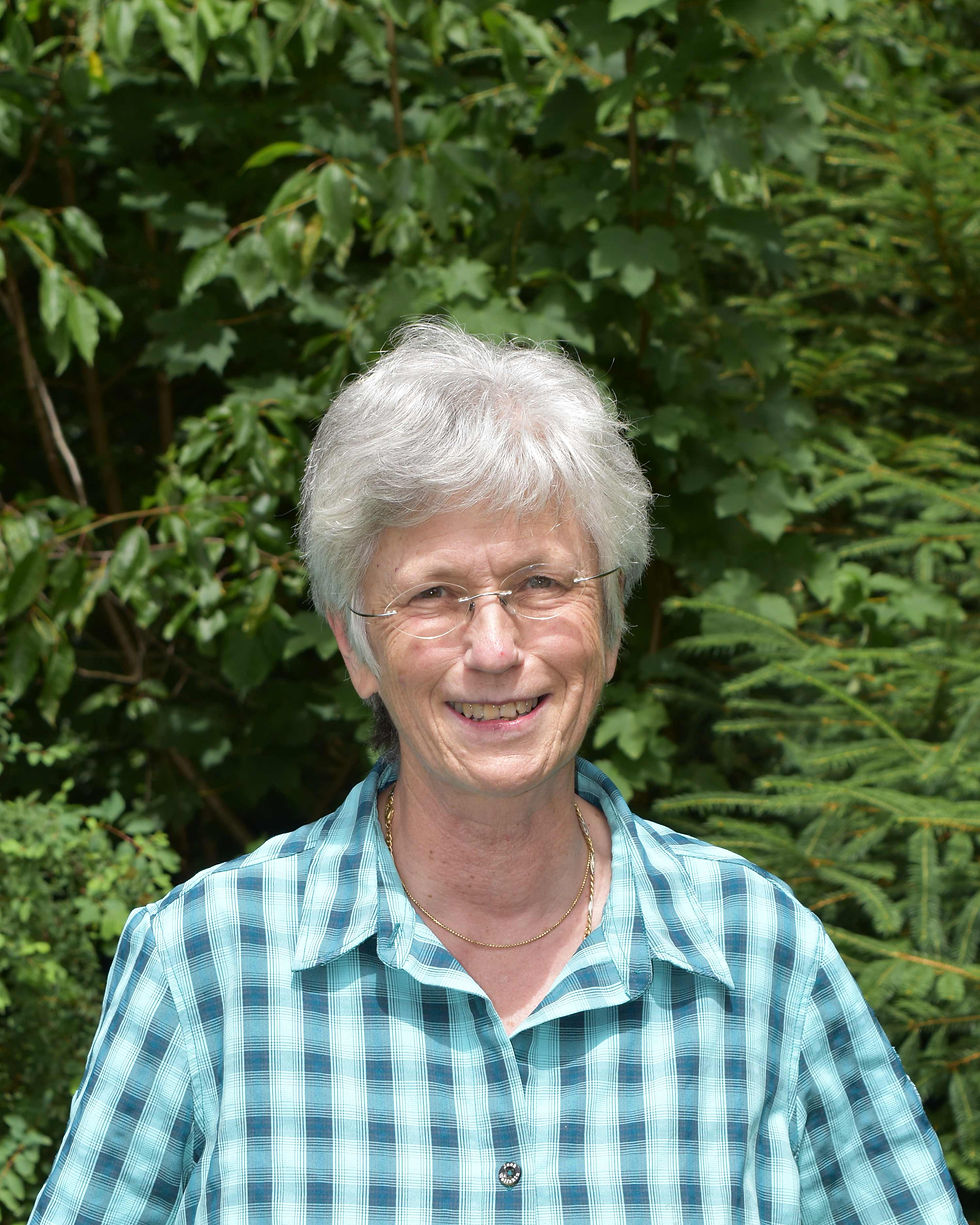
Christine Breitenmoser-Würsten
IUCN SSC Cat Specialist Group,
Villettengässli 4,
CH 3074 Muri
Emeritus chair IUCN SSC Cat Specialist Group
My professional background is ornithology, mammology, running water ecology, and genetics. I am currently involved in research projects on ecology and genetics of the Eurasian lynx, looking at population genetics of reintroduced populations. Through these projects, I gained experience in molecular methods, GIS, web design and desktop publishing, which are important resources for our work as co-chairs of the Cat SG.

Vincent Lapeyre
Implementation of the SECAP for the northern lion in Africa
After studying ecology, population biology and biodiversity at university in France, I joined wildlife conservation efforts in 2009 in West and Central Africa, where I was based permanently between 2011 and 2021. Fascinated by lions since an early age, I have worked for conservation NGOs, and had the opportunity to focus mainly on the ecological monitoring of large carnivores and the management of protected areas. I have also been involved in various other projects (illegal wildlife trade, zoonoses, environmental education, etc.) including some work with the private sector (environmental impact assessments in particular).
Since November 2025, drawing on experience gained in a dozen countries across this part of the African continent, I have been coordinating the Spatially Explicit Conservation Action Plan (SECAP) for the Northern lion—the most endangered lion subspecies—within the IUCN Cat Specialist Group.

Roland Bürki
KORA
Talgut-Zentrum 5
CH 3063 Ittigen
Assistant to the Chair
I studied environmental sciences at ETH Zurich. My master thesis was about effects of habitat and phylogeny on functional traits of the Seychelles woody flora. I have been working for KORA and the IUCN SSC Cat Specialist Group since 2014, where I am involved in writing and editing reports, maintaining the Digital Cat Library and general project assistance.
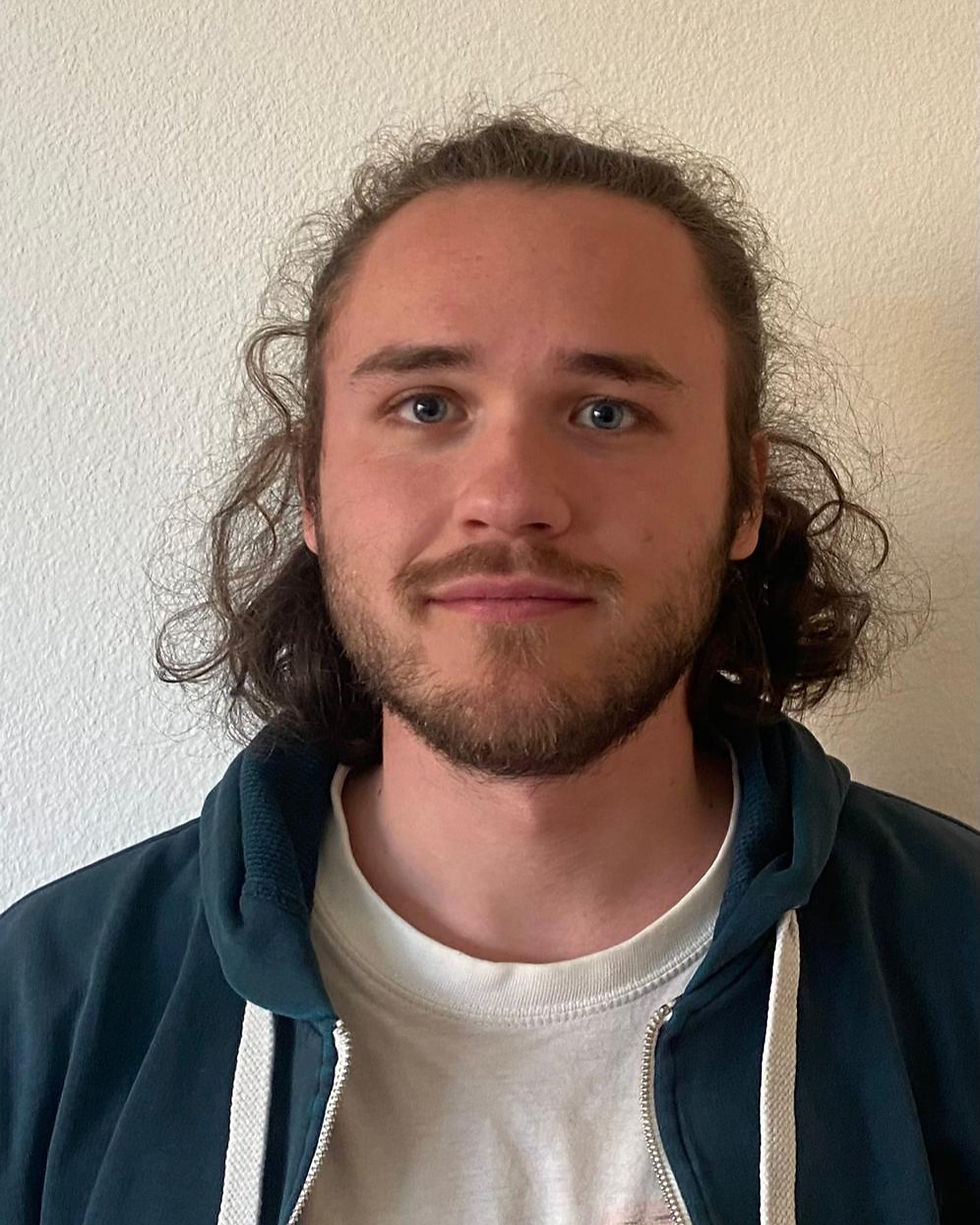
Moritz Breitenmoser
KORA
Talgut-Zentrum 5
CH 3063 Ittigen
Catabase and mapping
I studied environmental sciences at ETH Zurich with a major in Ecology & Evolution, with a strong focus on all GIS related topics. My master thesis was on sex-based differences in species distribution models in Eurasian lynx. I joined the Cat Specialist Group in 2024 and am since working on the “Catabase”, the Cat SG’s database maintained to collect and share observational data on all wild cats. Additionally, I support Red List and Green Status of Species assessments with GIS work.
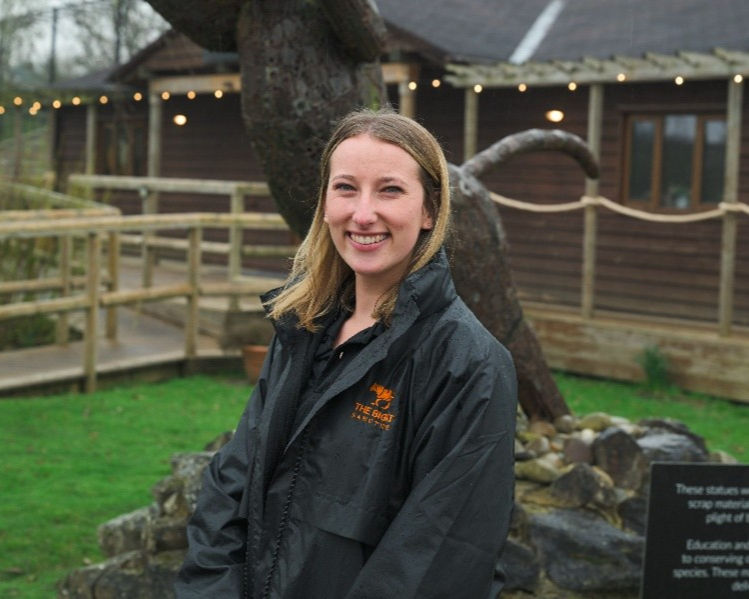
Ella Le Borgne
The Big Cat Sanctuary
Kent, United Kingdom
ella.leborgne@thebigcatsanctuary.org
Redlist coordinator
I studied Animal Biology with a focus on Wildlife Conservation at the University of Gloucestershire, during which I travelled to South Africa for the first time and further developed my longstanding passion for conservation. Following my studies, I worked with EarthRanger, where I was responsible for onboarding, training and supporting sites across Africa in using the software to better understand and manage protected areas. Being bilingual in English and French enabled me to work with teams across the continent.
I have now joined the IUCN SSC Centre for Species Survival Cats team as a Species Survival Officer, working closely with the Cat Specialist Group to support the coordination of IUCN Red List assessments, facilitate workshops for drafting Conservation Strategies, and contribute to the development of the Cat Conservation Curriculum.

Elliot Carlton
e.carlton@thebigcatsanctuary.org
Redlist coordinator
I studied Biology at the University of Oxford. I completed my master’s dissertation on applying the IUCN Green Status of Species framework to explore drivers of recovery in wild canids and felids. This included completing preliminary Green Status of Species assessments for 20 felid and 20 canid species. I am now working as an intern within the IUCN SSC Cat Specialist Group to advance the global IUCN Green Status of Species assessments for all Felidae species and several notable subspecies. I work closely with the Red List Authority Coordinator and the IUCN Green Status of Species Working Group to co-ordinate and facilitate the assessment process and to deliver training on the IUCN Green Status of Species, as well as to develop cat specific guidelines for the Green Status of Species.
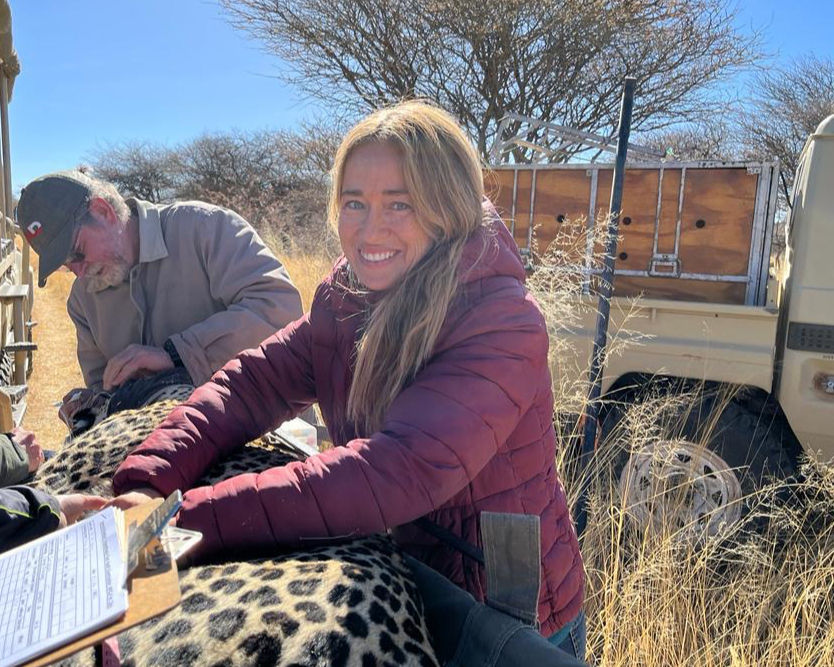
Laila Bahaa-el-din
Editor of Cat News
I spent 14 years working across Africa and beyond on raptor and carnivore conservation. My PhD fieldwork in Gabon focused on African golden cat ecology and conservation, and produced the first population density estimates for the species, with particular focus on how human activities impact their populations. I've worked on projects ranging from small-scale ecology studies to landscape-scale connectivity planning and wildlife reintroductions. I worked on the development of camera trap technology, while also acting as subject editor for the African Journal of Ecology for several years. As Editor of Cat News, I focus on two key elements: publishing conservation-relevant articles that pave the way for better policy and implementation, and mentoring early-career researchers. My interests are broad, but they share a common thread: making sure conservation science is accessible and leads to conservation action.

Malini Pittet
Website architect and content manager
Growing up in southern India I have always been fascinated by wildlife, and felids in particular. After completing my degrees in Biodiversity Conservation and Management at Durrell Institute of Conservation and Ecology (DICE) at the University of Kent, I was involved in conservation projects for Arabian leopards, Indian tigers and leopards, jaguars, pumas and ocelots in South America, the Persian leopard, as well as the recovery of wolf and lynx in the European Alps. For some years now I have focused on conservation photography and photojournalism. Through field guide training in southern Africa, and an advanced open water diving certification I further extended my range of activity in conservation journalism for print and online publications.


